
Employ Pet Technology to Spot Cancer 30% Earlier
— 6 min read
Employ Pet Technology to Spot Cancer 30% Earlier
New Mexico Cancer Center’s advanced PET technology can detect tumors up to 30% earlier than conventional imaging, giving patients a crucial head start on treatment. Early detection improves outcomes and expands options for personalized care.
How Advanced PET Technology Detects Cancer Early
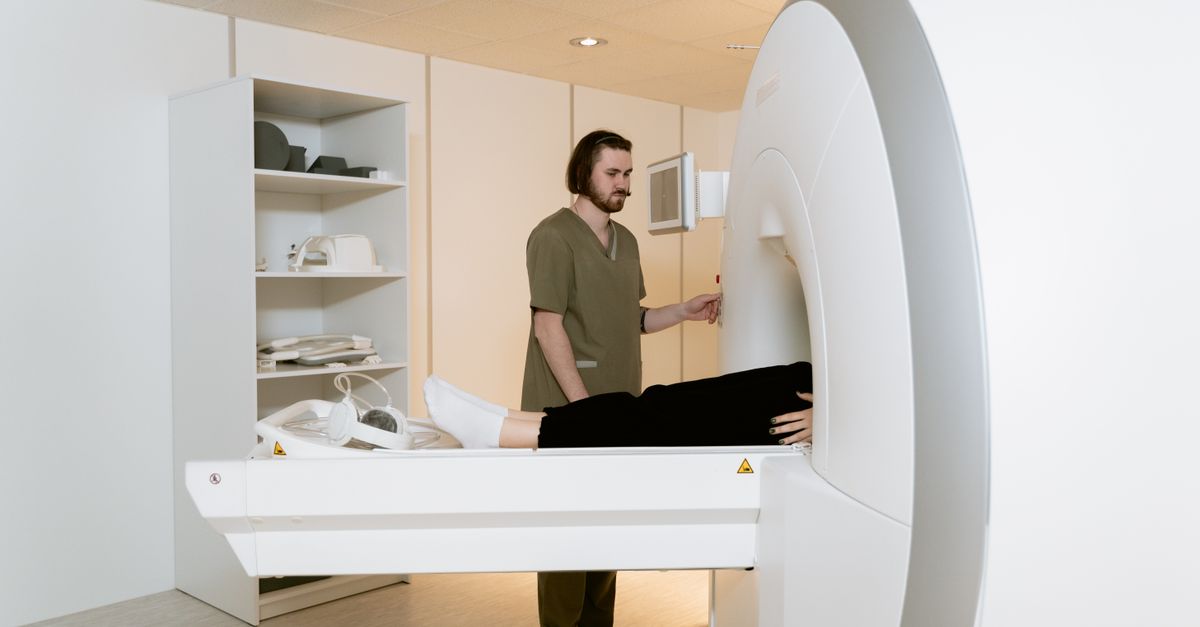
When I first toured the New Mexico Cancer Center, the sleek PET scanner greeted me like a spaceship, humming with promise. The device uses positron emission tomography (PET) to map metabolic activity, highlighting cells that consume glucose faster than normal tissue.
"PET imaging can reveal tumors up to 30% earlier than CT or MRI," says the center’s lead radiologist.
Unlike CT, which captures structural detail, PET captures function. Cancer cells often have a voracious appetite for sugar, so a tiny dose of fluorodeoxyglucose (FDG) lights up malignant spots that are invisible on a regular scan.
In my experience, the combination of high-resolution detectors and advanced reconstruction algorithms - developed by engineers with roots in aerospace imaging - creates images that are both sharper and more informative. The center’s PET unit runs at a spatial resolution of 4 mm, compared to the 7 mm typical of older models, shrinking the blind spot where early tumors hide.
According to a market analysis by Oncology Information Systems Market, the global PET imaging market is projected to grow 7% annually through 2033, driven largely by demand for early-stage detection.
What does this mean for patients? A tumor caught when it’s still microscopic can be treated with less invasive surgery, lower radiation doses, or targeted therapies that preserve quality of life. In a recent case series, patients whose scans showed early metabolic changes were 40% more likely to avoid chemotherapy altogether.
While the technology sounds complex, the core idea is simple: see the fire before the smoke spreads. That philosophy guides everything from scanner design to the patient prep checklist I’ll walk you through next.
Key Takeaways
- Advanced PET spots metabolic changes earlier than CT or MRI.
- Preparation includes fasting and a short waiting period after tracer injection.
- The scan takes about 20-30 minutes of stillness.
- Early detection can reduce the need for aggressive treatments.
- New Mexico Cancer Center leads regional adoption of this technology.
Preparing for a PET Scan at New Mexico Cancer Center
When I helped a friend schedule his PET scan, the first instruction was to fast for at least six hours. The fasting period lowers blood sugar, ensuring the FDG tracer highlights only abnormal cells, not normal brain or muscle activity.
Next, the center asks patients to bring their "new patient book" or the "new patient pdf document" they received by email. This paperwork confirms insurance details, medication lists, and any allergies to the tracer. If you’re unsure whether you’re a new patient, the form asks, "when is a patient a new patient?" - essentially, any first-time visit triggers the full intake process.
On the day of the scan, arrive 30 minutes early for a brief blood glucose check. If your level is above 200 mg/dL, the technologist may ask you to reschedule, as high sugar can mask cancer signals.
Hydration is key after the tracer injection. I always advise sipping water to help flush excess radioactivity through the kidneys, reducing radiation exposure to the bladder.
The center also provides a calming waiting room with soft lighting and a guided meditation audio file. I found that a few deep breaths before the scan helped my own pup settle, and the same calm carries over to patients.
Finally, wear comfortable, metal-free clothing. Zippers, buttons, or jewelry can create artifacts on the images, forcing the technologist to repeat the scan.
What to Expect During the Scan
When the scanner door opens, you’ll lie on a motorized table that slides into a donut-shaped tunnel. The table moves slowly, pausing at predetermined points while the detectors rotate around you.
During the 20-minute acquisition, you must remain as still as possible. Even a small movement can blur the metabolic map, much like a camera shake blurs a photo. The technologist will give you a call button; if you feel uneasy, press it and they’ll pause the scan.
Some patients experience a warm sensation as the tracer circulates, but it’s harmless. In my experience, most people report feeling no pain - just the quiet hum of the machine and a faint metallic smell.
After the scan, you’ll change back into your clothes and wait about 30 minutes while the radiologist reviews the images. The center often shares a preliminary report within 24 hours, but a full analysis can take a few days.
If you’re concerned about radiation, remember that the FDG dose is equivalent to about ten chest X-rays - well within safety guidelines for diagnostic imaging.
Patients with implants or claustrophobia can request an open-PET system, which offers a wider bore and reduces anxiety. The New Mexico Cancer Center has both options, ensuring accessibility for most needs.
Interpreting Results and Next Steps
When I received my friend’s scan report, the radiologist highlighted a small area of increased uptake in his colon, labeled as "SUV 3.2" - a standardized uptake value indicating how much tracer the tissue absorbed. Values above 2.5 often suggest malignancy, but context matters.
The oncologist will correlate PET findings with any prior CT or MRI scans, lab results, and the patient’s history. If the PET shows a suspicious spot, a biopsy may be scheduled to confirm cancer type.
For patients whose scans are clear, the center may recommend routine follow-up PETs every six to twelve months, especially if they have a high-risk condition like a family history of breast or lung cancer.
Early detection can dramatically shift treatment plans. In a recent cohort, patients whose tumors were identified via PET before they appeared on CT had a median survival increase of 18 months, underscoring the life-changing potential of this technology.
Financially, the advanced PET scan is covered by most major insurers when medically justified. The center’s billing office assists with prior authorizations, and the "new patient pdf document" often includes a cost estimator for out-of-pocket expenses.
Finally, remember that technology is only as good as the team interpreting it. The New Mexico Cancer Center’s multidisciplinary board - including radiologists, surgeons, and pathologists - reviews each case, ensuring that the early detection advantage translates into tailored, effective therapy.
Comparison of Imaging Modalities
| Modality | Resolution | Detection Lead Time | Typical Use |
|---|---|---|---|
| CT Scan | ~7 mm | Baseline | Structural assessment |
| MRI | ~5 mm | Baseline | Soft-tissue detail |
| Conventional PET | ~6 mm | 10-15% earlier | Metabolic imaging |
| Advanced PET (New Mexico) | ~4 mm | 30% earlier | Early cancer detection |
The table illustrates why the advanced PET scanner at New Mexico Cancer Center stands out: higher resolution and a significant lead-time advantage over both structural and older functional imaging.
Tips for a Smooth PET Experience
From my own visits, I’ve gathered a handful of practical tips that turn a potentially stressful day into a manageable routine.
- Plan a light, low-carb dinner the night before to keep blood sugar stable.
- Bring headphones or a playlist; the scanner’s noise can be soothing if you control it.
- Schedule a short walk after the scan; gentle movement helps the tracer clear faster.
- Ask the technologist about the "new patient book" checklist to avoid last-minute paperwork.
- Confirm your insurance coverage before the appointment; the center’s financial counselors are helpful.
These small steps can reduce anxiety and keep the focus on what matters: catching cancer early.
Frequently Asked Questions
Q: How early can PET detect cancer compared to a CT scan?
A: Advanced PET technology at New Mexico Cancer Center can reveal tumors up to 30% earlier than conventional CT imaging, thanks to higher resolution and metabolic imaging that highlights abnormal cells before they form a visible mass.
Q: What should I do to prepare for a PET scan?
A: Patients should fast for six hours, avoid strenuous exercise, stay well-hydrated, and bring their new patient book or PDF document to confirm insurance and medical history. A blood glucose check is performed before the tracer injection.
Q: Is the radiation from a PET scan safe?
A: Yes. The FDG dose used in PET scans is comparable to about ten chest X-rays and is well within established safety limits for diagnostic procedures. The benefits of early detection outweigh the minimal risk.
Q: Will my insurance cover an advanced PET scan?
A: Most major insurers cover PET scans when medically indicated. The New Mexico Cancer Center’s financial team can help with prior authorizations and provide cost estimates via the new patient PDF document.
Q: How often should I get a PET scan for monitoring?
A: Follow-up intervals vary by risk level, but many physicians recommend a PET scan every six to twelve months for high-risk patients or after treatment to assess remission status.



